
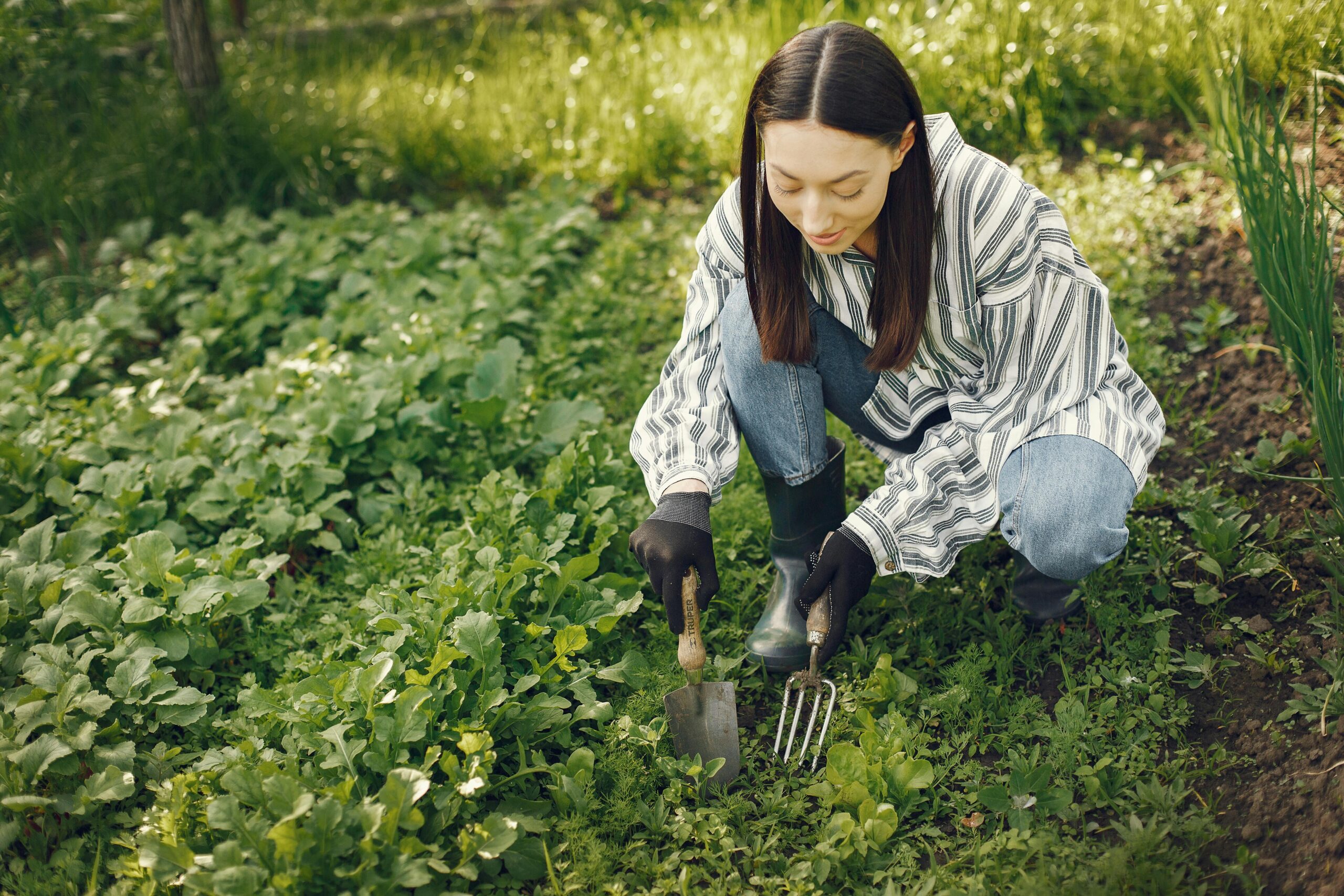
Introduction.
To keep your garden sustainable and save one of the world’s most valuable resources, you need to cut down on water waste. Many gardens use a lot more water than they need to because they don’t water correctly, the soil isn’t healthy, or the plants aren’t right for the area. Responsible water use is more important than ever as climate patterns change and drought conditions get worse in many areas. You can have a beautiful, productive garden that uses water wisely by using simple methods and making smart choices. There are many ways to use less water, such as picking plants that can live without water, making the soil better, and using smart watering tools. This article talks about real ways that homeowners can make their gardens greener, healthier, and use less water.
1. Pick plants that don’t need as much water by nature
One of the best ways to save water in your garden is to choose the right plants. Native plants and plants that can handle dry conditions are naturally suited to the weather in your area and need a lot less water than exotic plants. These plants do well in dry conditions, don’t get eaten by local pests, and grow well with little help. Succulents, ornamental grasses, and some shrubs are great plants for gardens that don’t need a lot of water. You can cut down on how often you need to water your garden by planning it around the weather and rainfall in your area. Grouping plants by their water needs also helps make sure that each area gets only the right amount of water. This stops waste and encourages healthier growth.
2. Make the soil healthier so it can hold more water.
Healthy soil is very important for reducing water waste because it holds onto moisture better. Adding organic matter like compost, mulch, and broken-down leaves to the soil helps it hold water longer, so you don’t have to water it as often. Plants can reach deeper moisture reserves during dry times because rich soil supports strong root systems. Mulching works really well because it makes a protective layer that keeps water from evaporating, keeps roots cool, and stops weeds from growing that compete for water. Don’t compact the soil because that makes it harder for water to get through. You naturally make your garden use less water by making the soil healthier.
3. Water plants deeply and at the right time.
For watering to work, timing and technique are very important. It’s best to water plants early in the morning because it keeps the water from evaporating and lets the roots get the moisture before the heat of the day. Plants that get deep watering grow stronger roots that go deeper into the soil. This makes them more resistant to dry conditions. Don’t water your plants lightly or often, because this makes their roots grow shallow and wastes more water. When you use a watering can or a controlled hose nozzle, you have more control than when you use a sprinkler, which can cause overspray and uneven watering. Plants get enough water without wasting it when you use the right watering methods.
4. Set up irrigation systems that use less water
Modern irrigation systems are a very effective way to cut down on water waste in the garden. Drip irrigation systems send water straight to the roots of plants, which cuts down on evaporation and stops runoff. These systems use a lot less water than regular sprinklers and keep the right amount of moisture in the right place all the time. Soaker hoses are another great way to slowly and evenly spread water. Smart irrigation controllers change when to water based on the weather, the temperature, and the moisture level in the soil. An efficient irrigation system not only saves water, but it also cuts down on maintenance and helps plants grow better all year long.
5. Whenever you can, collect and reuse water.
Reusing water is an easy and cheap way to stop wasting water in the garden. Collecting rainwater is a great thing to do because it gets you free, natural water that plants love. Putting barrels under downspouts or setting up a full rainwater harvesting system will give you a steady supply of water when it isn’t raining. You can also safely use greywater in the garden if you know how to handle it. Greywater is water that has been used for laundry, bathing, or washing dishes. Using collected water makes you less dependent on city water supplies and helps you garden in a more environmentally friendly way. This method makes sure that important water resources are used wisely and efficiently.
6. Design your garden to lose less water
A well-planned garden can cut down on water waste by making the most of the moisture that plants have access to. Strategically planting trees and bigger shrubs gives smaller plants shade, which protects them from direct sunlight and keeps water from evaporating. Hedges or fences can be used to make windbreaks that keep strong winds from drying out the soil. Terracing sloped areas helps keep water from running off too quickly, which lets moisture soak into the ground instead of being lost. Putting plants that need the same amount of water together makes watering zones that stop plants from getting too little or too much water. These design tips help keep your garden looking nice and productive while also balancing water use.
7. Take care of your garden on a regular basis to avoid wasting water.
A garden that is well-kept naturally uses less water. Weeds fight with plants for water, so getting rid of them often makes sure that the right plants get the water they need. Cutting off dead or broken branches makes plants healthier and uses less water. Checking hoses, pipes, and irrigation systems on a regular basis can help you find and fix leaks early. Changing the watering schedule based on the seasons makes sure that plants get the right amount of water all year long. If you pay close attention to your garden, you can spot signs of stress early and fix problems before they get worse. Regular maintenance makes the ecosystem healthier and makes the best use of water.
In conclusion
Cutting down on water waste in the garden is not just about saving water; it’s also about making a healthy, long-lasting environment that helps both your plants and the planet. You can cut down on how much water you use a lot without ruining the beauty of your garden by choosing plants that use less water, improving the health of the soil, using smart watering methods, and buying new irrigation systems. Reusing collected water, carefully planning your garden, and regularly taking care of it all help make it more efficient and support long-term sustainability. These things help make a garden that grows on its own, uses fewer resources, and costs less and takes less work. With the right approach, every homeowner can have a beautiful garden that is also good for the environment.
Questions and Answers
Q1: When is the best time of day to water plants so that you don’t waste water?
The best time is early in the morning when the air is cooler. This keeps evaporation to a minimum and lets water get to the roots more easily.
Q2: How does mulch help the garden save water?
Mulch helps save water by stopping weeds, keeping roots cool, and locking in moisture.
Q3: Is it expensive to set up drip irrigation systems?
Basic drip systems are cheap, and even more advanced ones can save you money in the long run by lowering your water bills and making your plants healthier.
Q4: Is it okay to use grey water on all of my garden plants?
Most ornamental and non-edible plants can handle greywater, but you shouldn’t use it on vegetables that you eat raw unless you filter it first.
Q5: Do plants that can survive without water need any water at all?
They still need water to grow roots, but once they are fully grown, they need a lot less water than regular plants.