
Beginning
One of the easiest and best ways to save water at home is to collect rainwater. As water shortages become more common in many places, collecting and storing rainwater is a cheap and long-lasting way to solve the problem. This old practice has been updated with better systems that make it easier to collect, filter, and use rainwater for a variety of household needs. Rainwater harvesting is good for the environment and helps you live a more eco-friendly life, whether you live in a city or in the country. It also lowers your water bills and makes you less dependent on city water supplies. It also keeps stormwater from running off, which lowers the chance of flooding and soil erosion. This article talks about how homeowners can easily, practically, and cheaply collect rainwater to help save water and protect the environment.
1. Learn the Basics of Collecting Rainwater
To collect rainwater, you need to gather it from rooftops and other surfaces and then store it for later use. Most of the time, the water that is collected is sent through gutters, downpipes, and filters to storage tanks or underground reservoirs. You can use this stored water for things other than drinking, like gardening, cleaning, washing cars, flushing toilets, and more. With the right filtration, it might even be safe to drink or cook with in some cases. Homeowners can make a system that works for them by learning how rainwater systems work. Even a simple system can help save water and have less of an effect on the environment.
2. Pick the best system for collecting rainwater
There are many different kinds of rainwater harvesting systems, from basic to advanced. The best one for you will depend on how big your home is, how much it rains, and how much water you need. A basic system has gutters, a downpipe, and a storage barrel at the bottom to catch rainwater. Filters, pumps, underground tanks, and automated distribution systems are some of the more advanced setups. Tanks can be made of a variety of materials, such as plastic, fibreglass, concrete, and metal. Choosing a system that meets your needs will make sure that it collects water quickly and lasts a long time. Putting money into a good tank and installing it correctly helps keep water clean and safe by preventing leaks and contamination.
3. Put in gutters and filters that work well
Gutters are very important because they move rainwater from the roof to the storage system. Proper installation and upkeep make sure that the most water is collected and that no water is lost. When gutters are clean, water flows smoothly. When they are blocked, they overflow and work less well. Putting up mesh screens or leaf guards stops leaves and other debris from getting into the system. Before rainwater goes into the tank, filters are also important for getting rid of dirt, dust, and other pollutants. First-flush diverters are used to get rid of the first flow of rainwater, which usually has the most pollutants in it. If you install and maintain your gutters and filters correctly, the water you collect will stay clean and usable.
4. Keep rainwater safe in barrels or tanks
For rainwater harvesting to work well, you need a good way to store it. You should put tanks on a stable surface and make sure they are the right size for the amount of water your family needs and the amount of rain that falls in your area. Tanks that are properly sealed keep bugs, animals, and other things from getting into the water. Using tanks that are dark in colour helps keep algae from growing by blocking sunlight. Cleaning and maintaining the water regularly keeps it fresh and safe. During heavy rain, overflow pipes help control extra water by safely directing it away. Safe storage is important for a rainwater harvesting system to work, whether you use above-ground barrels or underground reservoirs.
5. Use the water you collect wisely around the house.
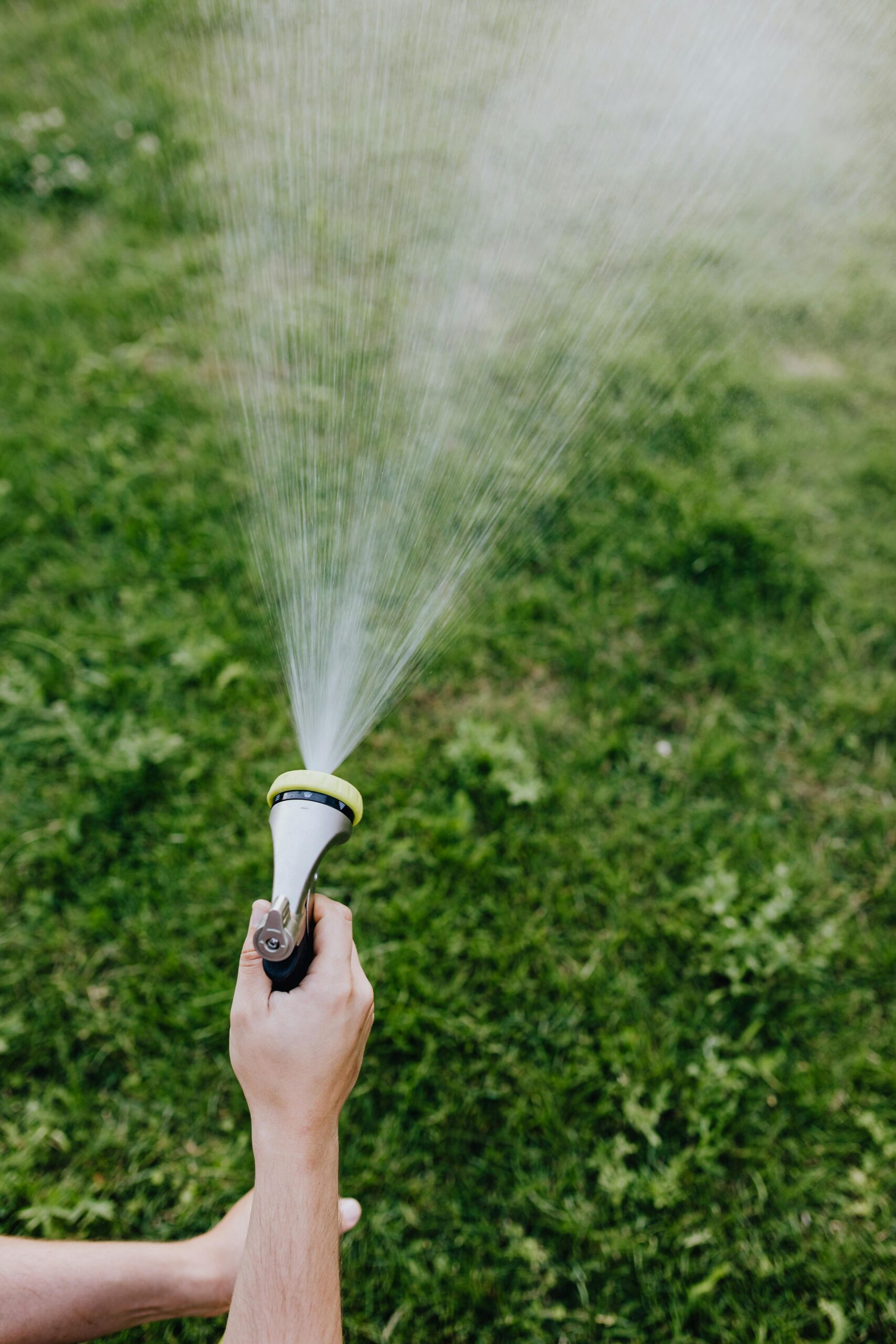
Rainwater can be used for many things around the house, so it’s a great way to cut down on water use. It is great for watering gardens because it doesn’t have any chemicals in it like treated water does, which helps plants grow better. Rainwater is also good for cleaning outside areas, washing cars, filling ponds, and flushing toilets. People who have filtration systems in their homes may even use it to wash clothes or take a shower. Using rainwater wisely makes the water you store last longer and puts less stress on your regular water supply. It is a green choice that helps people live in a way that is good for the environment without making things less convenient.
6. Keep your rainwater collection system in good shape.
Like any other system in your home, rainwater harvesting needs regular care to work well. Cleaning the gutters, checking the filters, and looking for cracks or leaks in the tanks make sure everything works well. Taking trash off the roof keeps it from getting dirty and makes the water better. Cleaning the tank every so often helps get rid of sludge and sediment that builds up. Checking pipes and pumps for clogs makes sure that water flows steadily and reliably. Regular maintenance not only makes your system last longer, but it also makes sure that the water it collects is safe to use. With regular care, collecting rainwater can be good for your home and the environment for a long time.
7. Think about the benefits for the environment and your wallet.
Collecting rainwater is good for the environment and your wallet. It helps the environment by reducing the need for treated water, putting less stress on local water supplies, and stopping stormwater runoff from flooding streets and washing away soil. It helps ecosystems stay healthy and encourages long-term water management. Using stored rainwater can save you money on your utility bills, especially if you live in an area where water is expensive. Over time, the money spent on a rainwater harvesting system pays off by lowering the amount of water used. These benefits make rainwater harvesting a great choice for homeowners who care about the environment and want to save money in the long run.
Conclusion.
Rainwater harvesting is a simple but effective way for homeowners to save water, help the environment, and lower their bills. Anyone can set up a good rainwater harvesting system if they know the basics, pick the right system, install the right gutters and filters, and keep up with regular maintenance. Using rainwater that has been stored for daily tasks not only cuts down on waste, but it also helps you live a more environmentally friendly and sustainable life. Rainwater harvesting is a good way to manage water responsibly, whether you start with a small barrel or buy a whole system. It gives homeowners the power to control their resources and help make the world a healthier place.
Questions and Answers
Question 1: Is it safe to drink rainwater?
If it is properly filtered, treated, and stored, rainwater can be safe to drink. It is best to use it for things other than drinking if it is not treated.
Q2: What is the price of a simple rainwater collection system?
The cost of a simple barrel system is low, but the cost of a more advanced system with pumps and filters can be higher depending on the size and materials used.
Q3: How often do I need to clean the tank?
Cleaning the tank every six to twelve months keeps the water clean and stops sediment from building up.
Q4: Is it possible to collect rainwater in places where it doesn’t rain much?
Yes, even small amounts of rain can give you a lot of water if you collect it well, especially if you have a good system.
Q5: What can you do with rainwater?
Rainwater is great for gardening, washing cars, cleaning outside areas, flushing toilets, and more, depending on how well it is filtered.