
Beginning
Recycling is one of the easiest and most effective things anyone can do to help the environment. Recycling helps cut down on waste, save energy, and protect natural resources as landfills keep filling up and pollution gets worse. But a lot of beginners have trouble because recycling rules can be different in different places, and if you recycle the wrong way, it can make the whole batch unusable. This guide for beginners tells you how to recycle correctly, what to stay away from, and how to make habits that will help the environment in the long run. You can recycle at home with confidence and responsibility if you follow these clear steps and useful tips.
1. Know what recycling really is
Putting things in a bin marked “recyclables” is not the same as recycling. It turns old things like plastic, glass, metal, and paper into new things. This cuts down on the need for raw materials and is better for the environment. The process only works if people sort their trash correctly and follow the rules for recycling. Knowing the basics helps keep things clean and lets recycling centres do their jobs well.
2. Find out what the rules are for recycling in your area.
Not all countries, cities, or towns will take the same things for recycling. Some places will take glass, but others won’t. Some places will take any kind of plastic, while others will only take certain numbers, like #1 or #2 plastics. The best way to avoid making mistakes is to read the rules for your area or the waste management service. These lists usually tell you what can be recycled, what needs to go in the trash, and how to get things ready for pickup.
3. Get things ready and clean them before recycling.
One of the main reasons why recycling doesn’t happen is contamination. Containers that are dirty and have leftover food, oil, or liquids in them make whole batches of food go bad. Make sure everything you put in the recycling bin is clean and dry first. For instance, rinse jars, clean the food off of cans, and lightly wipe containers if necessary. You don’t need soap; just a quick rinse with water will do. Also, make sure to completely empty bottles so that moisture doesn’t get in and ruin paper-based recyclables.
4. Know What You Can’t Recycle
People often think that anything made of plastic, metal, or paper can be recycled, but that’s not always the case. Never put greasy pizza boxes, plastic bags, Styrofoam, disposable nappies or small plastic wrappers in a recycling bin. These materials either can’t be processed or get stuck in the machines. Batteries, electronics, and chemicals are examples of hazardous waste that need to be thrown away in a certain way. Keeping these things separate helps recycling systems work better.
5. Sort your recyclables at home the right way
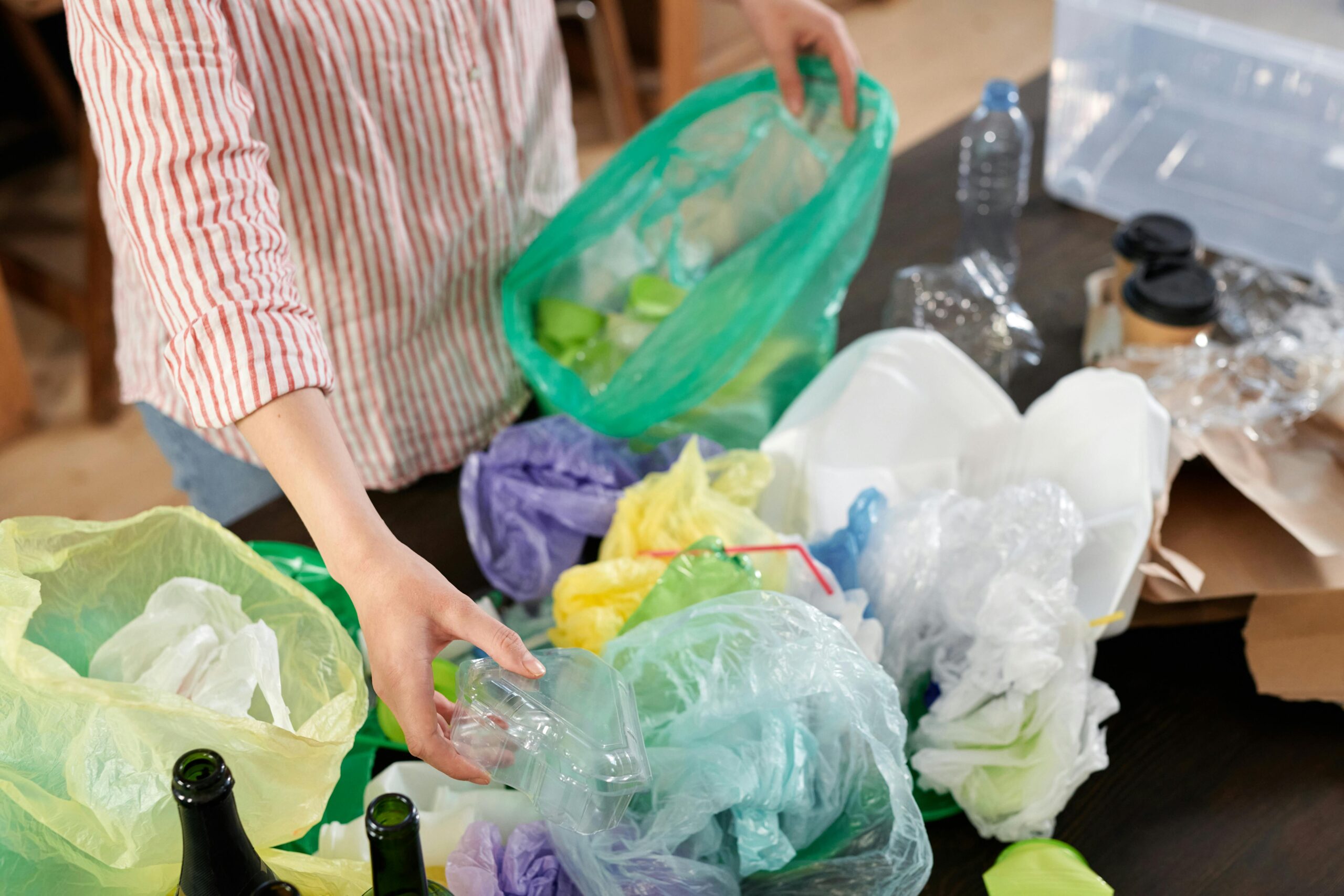
Recycling is easier and more consistent when you set up a simple sorting system at home. If your community requires it, you can use more than one bin to separate plastic, paper, metals, and glass. Even if your area only has one stream for recycling, pre-sorting helps keep things clean and lets you know where everything goes. Putting labelled bins in the kitchen, garage, or backyard can help keep things organised and make the whole process easier.
6. Before you recycle, cut down on your trash.
The best way to be environmentally friendly is to first cut down on waste, then reuse it, and finally recycle it. Recycling is good, but not everything can be recycled forever, especially plastics. You automatically cut down on the amount of trash your home makes when you choose reusable bags, stainless steel bottles, cloth towels, and products with little packaging. This makes recycling easier and more important because you don’t make as many things that can be thrown away in the first place.
7. Understand how recycling helps the environment
Recycling is good for the environment in many ways, all of which help make the planet cleaner and healthier. It means that fewer trees are cut down, fewer minerals are mined, and less energy is used to make things. Recycling also cuts down on greenhouse gas emissions and landfill waste, which keeps harmful chemicals from getting into the soil and water. Every item that is recycled correctly helps protect ecosystems and save natural resources for future generations, even if it’s just a small part.
In conclusion
It doesn’t have to be hard to recycle the right way. Anyone can learn how to recycle properly by knowing the basics, following local rules, getting their materials ready the right way, and avoiding common mistakes. It’s an easy thing to do every day that helps cut down on waste, protect the environment, and make sure the future is sustainable. When people in a community recycle together in a responsible way, the good effects are even stronger. Take small steps every day, and you’ll help make the world a cleaner place.
Questions and Answers
Q1: Should I take the labels off of bottles and cans before recycling them?
Most recycling centres can handle labels, so you don’t usually have to take them off. But the containers need to be empty and clean.
Q2: Is it possible to recycle containers that have greasy food in them?
No. Food residue makes it impossible to recycle things like greasy paper plates or oily pizza boxes.
Q3: Can you recycle plastic bags?
You can’t put plastic bags in regular recycling bins. You have to take them to special drop-off points, which are usually at grocery stores.
Q4: Why is it important to rinse out containers?
Rinsing gets rid of food and liquid that can ruin other recyclables, like paper and cardboard.
Q5: Is it possible to recycle broken glass things like cups or mirrors?
No. You have to throw away broken glass, mirrors, and ceramics in a different way because they can hurt recycling machines.