
Beginning
One of the most important ways to cut down on pollution, fight climate change, and build a sustainable future is through renewable energy. With the world getting hotter, carbon emissions rising, and energy needs growing, clean energy sources are a practical and long-term alternative to fossil fuels. Sunlight, wind, water, and geothermal heat are all examples of renewable energy sources that can be used over and over again. These sources don’t put harmful pollutants or greenhouse gases into the air like coal, oil, and gas do. Because of this, renewable energy is important for protecting the environment, growing the economy, and making people healthier. Knowing why renewable energy is the future helps us see how important it is to switch to cleaner and more responsible energy systems.
Good for the environment: renewable energy
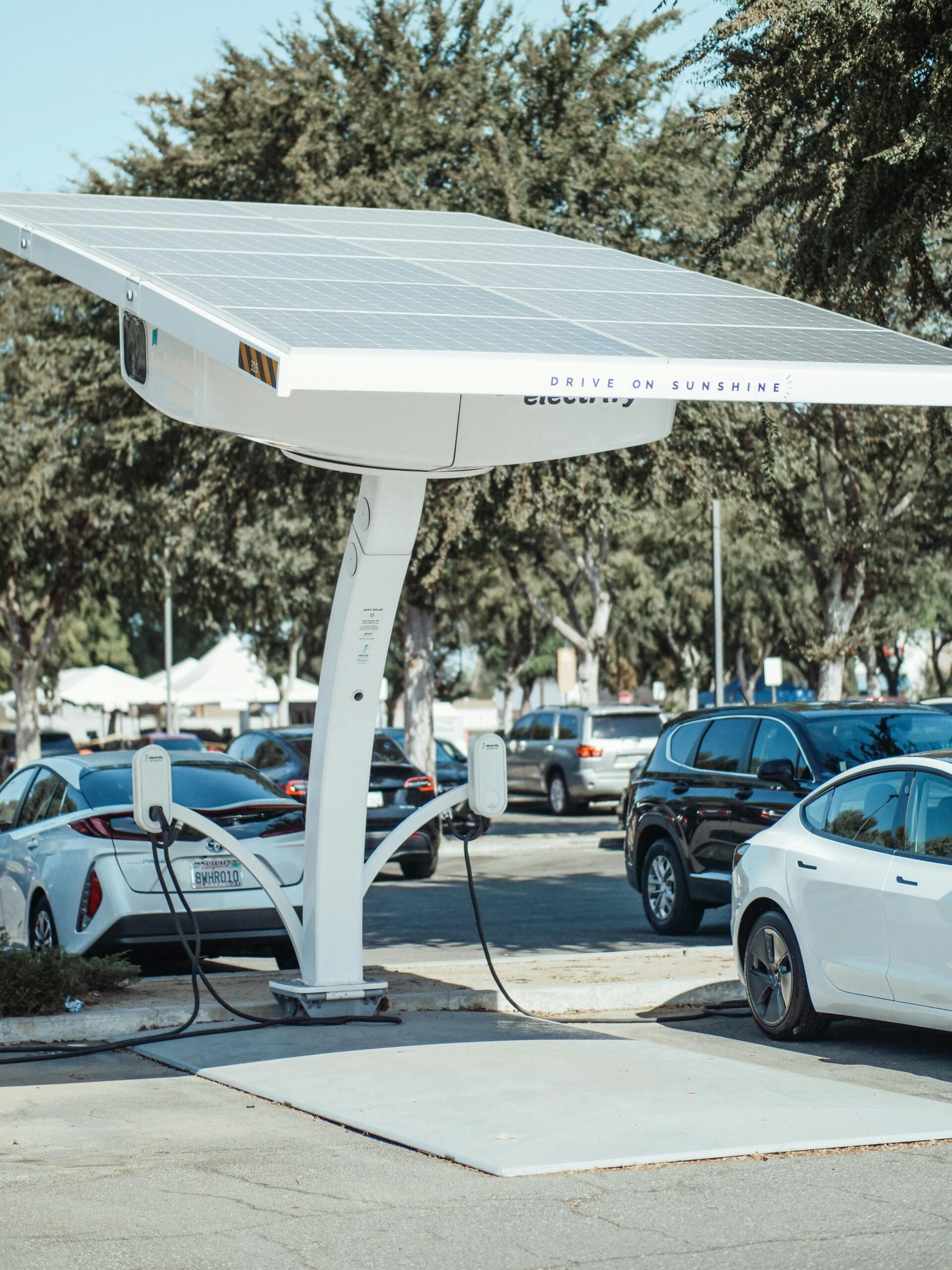
One of the best things about renewable energy is that it helps the environment. Burning fossil fuels is a major cause of carbon emissions around the world, which cause climate change and global warming. When they are running, renewable energy sources, on the other hand, don’t release any emissions. Solar panels use sunlight to make electricity, wind turbines use wind power, and hydroelectric dams use flowing water to make energy without releasing harmful chemicals. This change away from fossil fuels makes the air cleaner, slows climate change, and makes the planet less stressed overall.
Renewable energy helps protect natural ecosystems by cutting down on the need to mine, drill, and transport fossil fuels. This also lowers greenhouse gas emissions. These extraction activities often harm habitats, pollute bodies of water, and bother animals. Using renewable energy makes these harmful practices less necessary. Also, as renewable technology gets better, clean energy systems become more reliable and efficient. This makes them a good choice for countries all over the world. By putting renewable energy first, we protect the environment and make sure that natural resources are available for future generations.
Renewable energy is good for public health.
When fossil fuels are burned, they release a lot of harmful chemicals into the air, such as sulphur dioxide, nitrogen oxides, and tiny particles. These pollutants lead to respiratory diseases, heart problems, and other serious health problems. Renewable energy greatly lowers these risks because it makes power without making dangerous chemicals. Clean energy sources make places healthier to live, especially in cities where the air is very polluted. When communities switch to renewable energy, they pay less for health care, have fewer pollution-related illnesses, and have a better quality of life.
There are more health benefits than just less air pollution. Using renewable energy leads to cleaner ways of making things, lowers the chance of oil spills, and keeps soil and water from getting dirty. When businesses and homes use cleaner energy sources, the overall toxicity of the environment goes down. This makes ecosystems healthier and food and water supplies safer. By choosing renewable energy, societies can protect the health of both people and the environment. This shows that clean energy is not only good for the environment, but also necessary for public health.
Benefits to the economy and job growth
Renewable energy is very important for creating jobs and growing the economy. As demand grows and technology gets better, the renewable energy sector keeps growing quickly. The solar and wind industries alone have created millions of jobs around the world in construction, manufacturing, installation, and maintenance. These chances keep getting better as more businesses and governments put money into clean energy infrastructure. Renewable energy projects boost local economies, create jobs that last, and make people less reliant on imported fuels.
In a lot of places, renewable energy is now cheaper than fossil fuels. Over the years, the prices of solar panels, wind turbines, and battery storage have gone down a lot, making clean energy available to homes and businesses. Renewable energy systems also save money in the long run because they use natural resources like wind and sunlight, which are free and plentiful. Countries can stabilise their energy prices, lower utility costs for consumers, and make their economies more resilient by switching to renewable energy. One of the main reasons people think renewable energy is the future of global power generation is because it is financially stable.
Energy independence and security
Fossil fuels are limited, unevenly spread out, and prone to political conflicts, so relying on them makes energy security less certain. Countries that rely on oil and gas imports are at risk of price changes, supply problems, and geopolitical tensions. Renewable energy lowers these risks by giving us a reliable and long-lasting source of power at home. Countries can make their own energy without having to rely on foreign suppliers because almost every area has sunlight, wind, and water.
Energy independence makes the country safer and lets governments better manage their own energy systems. Renewable energy systems can also be decentralised, which means that power can be made in many small places instead of in big, central plants. This lowers the chance of widespread blackouts and makes grids more stable. As climate change makes extreme weather events more common, decentralised renewable energy systems offer a reliable and flexible answer. For a safe and long-lasting energy future, this stability is very important.
Technological Progress and Future Possibilities
Technology keeps changing the renewable energy industry, making it more efficient and easier for people to get. Improvements in the design of solar panels, wind turbines, and battery storage have made renewable systems more reliable and better at what they do. Renewable energy can now power homes, businesses, cars, and even whole cities. As new ideas come up, clean energy solutions are becoming more flexible and able to work in a wider range of places and weather conditions.
The chances of growth in the future are very high. Researchers are looking into new technologies like floating solar farms, advanced geothermal systems, and making hydrogen energy. These changes will lead to even cleaner and more efficient energy options in the years to come. Renewable energy isn’t just a short-term fix; it’s a field that is always changing and will shape the future of energy production around the world. As technology gets better, renewable energy will become even more a part of everyday life, powering everything from cars to appliances.
Conclusion
Renewable energy is the future because it is a long-term, eco-friendly, and cost-effective replacement for fossil fuels. It is a key part of global development because it can cut down on pollution, improve public health, create jobs, and make energy security better. As the world deals with more and more climate problems, renewable energy can help us find stability, resilience, and long-term success. Putting money into renewable energy is not only the right thing to do, but it’s also necessary to protect the planet and make sure that future generations have a healthy future. The switch to clean energy is already happening, and how quickly we can make the world more sustainable will depend on how committed we are to it.
Questions and Answers
Q: What makes renewable energy better for the environment?
A: Compared to fossil fuels, renewable energy makes little to no emissions, lowers pollution, and protects natural ecosystems.
Q: Can families afford renewable energy?
Yes, the price of solar and wind energy has gone down a lot, making it easier to get and lowering long-term electricity bills.
Q: In what ways does renewable energy make people healthier?
A: It cuts down on air pollution, lowers the chances of getting respiratory diseases, and keeps soil and water from getting dirty.
Q: Is it possible for renewable energy to completely replace fossil fuels?
A: Over time, renewable energy can meet most of the world’s energy needs if technology keeps getting better and people keep investing in it.
Q: Do jobs come from renewable energy?
A: Yes, the renewable energy sector creates millions of jobs in research, manufacturing, installation, and maintenance.