
Introduction
One of the best ways to lower your impact on the environment and your monthly utility bills is to build a home that uses less energy. You don’t need to make big changes or buy expensive technology to make your home more environmentally friendly. Even small changes you make every day can have a big impact. Every little thing you do to make the world a better place, like using less electricity, improving insulation, and choosing cleaner appliances, helps. In today’s world, where energy use is always going up, going green at home is both a duty and a chance. By making thoughtful choices, you can save money, protect the environment, and enjoy a more comfortable home. This article talks about easy but effective ways to save energy that can make your home a greener, more environmentally friendly place to live.
1. Change to lights that use less energy
Lighting takes up a significant part of home energy consumption, but switching to energy-efficient alternatives can drastically reduce it. LED bulbs use far less electricity compared to traditional incandescent lights and last much longer, making them cost-effective over time. They also make less heat, which keeps the inside cooler and cuts down on the need for air conditioning. Turning off lights when you leave a room or using natural light during the day are two simple habits that can have a big impact. Putting lamps in the right places near workspaces or windows can also help you use less electricity. You can save a lot of energy and make your home more eco-friendly by making these small changes to your lighting.
2. Improve Home Insulation for Better Temperature Control
Homes lose heat in the winter and gain too much heat in the summer when they don’t have good insulation. This makes heating and cooling systems work harder. Adding more insulation to walls, roofs, and floors helps keep the temperature inside stable without needing to use air conditioners or heaters too much. Closing up gaps around windows and doors keeps drafts out and keeps air conditioning from getting out. Heavy curtains or thermal blinds can also keep rooms comfortable all year long by reducing heat exchange. Better insulation makes the inside of your home more comfortable and saves energy. Over time, this puts less stress on your HVAC system and can save you a lot of money on your electricity bills.
3. Get new appliances that use less energy.
Newer appliances use a lot less electricity than older ones, so they are a good investment for saving energy over the long term. Look for products with high energy-efficiency ratings. These ratings show that the product uses less power while still giving the same or better performance. Upgrading appliances like refrigerators, washing machines, and air conditioners can save a lot of energy in the home because they use a lot of it. Using appliances wisely also helps save energy. For example, washing full loads of laundry, not preheating ovens when they don’t need to be, and using microwaves instead of stoves when you can all help save energy. Smart appliances with power-saving modes give you even more control over how much energy your home uses.
4. Use Natural Light and Air Flow
A lot of homes depend on artificial lighting and cooling systems, even when there are natural options. Opening windows at the right time of day lets fresh air in and cuts down on the need for fans or air conditioners. Cross-ventilation, which lets air in from one side and out from the other, keeps the inside of a building comfortable without using electricity. Natural light not only makes rooms brighter, but it also helps with mental health and productivity. Moving furniture around near windows or using light-colored curtains can help spread light more evenly. You can make your home healthier and use less energy by making the most of natural resources like sunlight and fresh air.
5. Use Smart Thermostat Best Practices
Most homes use a lot of energy for heating and cooling systems. If you use them more wisely, you can save a lot of money on your power bills. You can set temperature schedules that fit your daily routine with programmable or smart thermostats. This keeps your home from heating or cooling when you’re not there. You can save a lot of energy by lowering your thermostat a little in the winter or raising it a little in the summer. Regular maintenance, like cleaning the filters and making sure the air flows properly, keeps the system running well. Avoiding very high or low temperatures also saves energy and makes your equipment last longer.
6. Use less energy to heat water
Heating water uses a lot of energy in the home, but small changes can make a big difference in how much energy is used. Lowering the temperature of the water heater, insulating it, and taking shorter showers are all ways to save energy. Installing low-flow fixtures cuts down on the amount of hot water used without making you less comfortable. When you can, use cold water for laundry. This saves energy because modern detergents work well at lower temperatures. Regularly taking care of your water heater keeps it running well and stops it from wasting energy. These steps help keep your home greener and lower your utility bills at the same time.
7. When you can, use renewable energy sources.
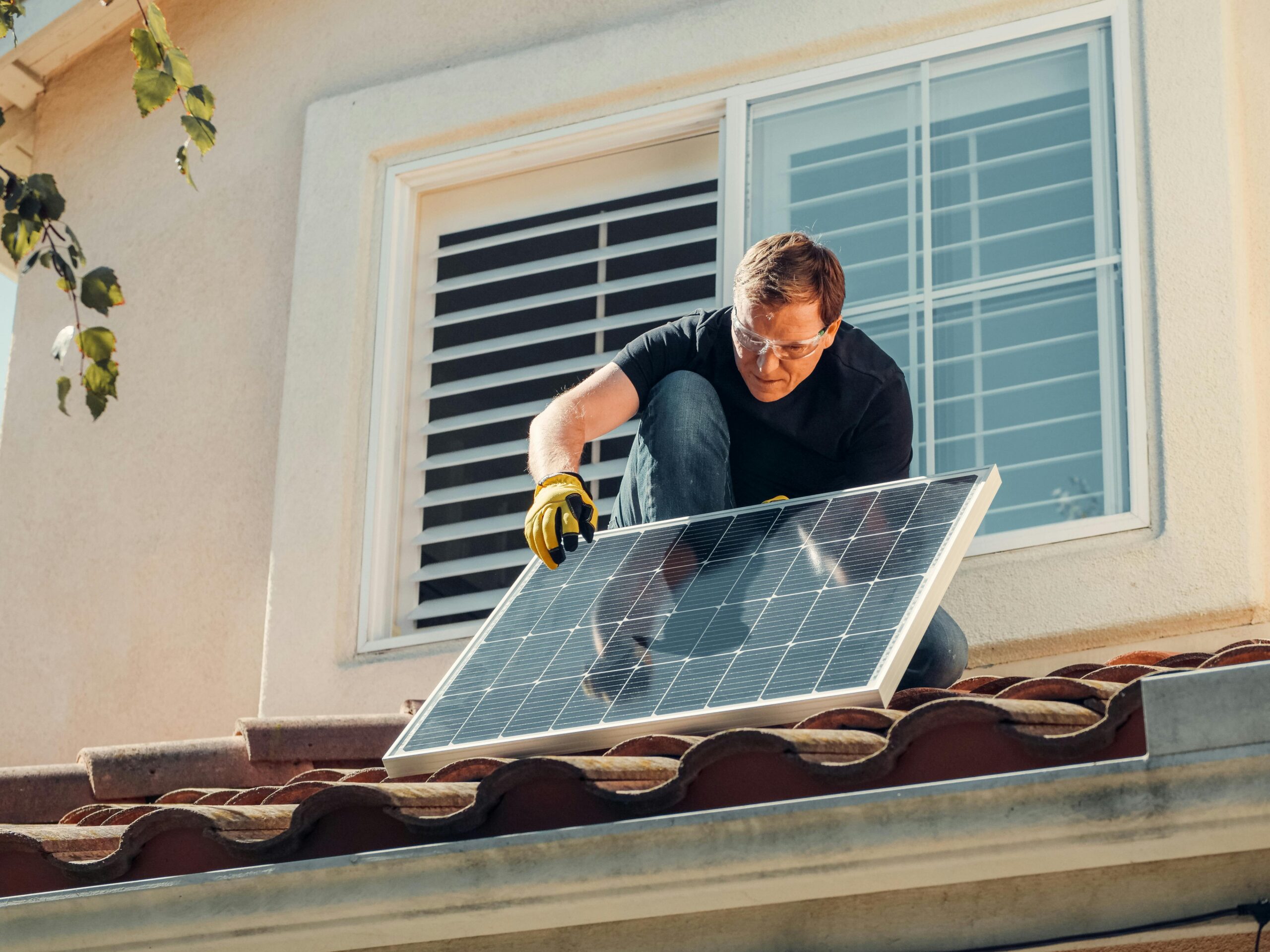
Using renewable energy sources is one of the best ways to make your home more environmentally friendly. Even small solar panel systems can cut down on your electricity bills and your reliance on nonrenewable energy. Solar water heaters use clean energy to heat water and are becoming more and more affordable for homeowners. Even if you can’t put in a full solar system, small renewable devices like solar outdoor lights or solar chargers can still help. If your local power company offers them, choosing renewable energy plans is another easy way to help make energy generation cleaner. These options help make the future more sustainable and save money in the long run.
Final Thoughts
You don’t have to make big changes or spend a lot of money to make your home greener. You can have a more comfortable and cost-effective living space while having a much smaller impact on the environment by making smart choices and developing simple habits that save energy. Each step you take to make the world a better place, like using less energy and relying more on natural light and renewable energy, helps. These tips will help you make your home a long-lasting, eco-friendly place that is good for both your wallet and the world around you. Living in a green home is not just a trend; it’s a responsible way of life that pays off all the time.
Questions and Answers
Q1: How can I save energy at home the easiest way?
Switching to LED bulbs, turning off lights that aren’t being used, and unplugging devices when they’re not needed are the easiest ways to save energy.
Q2: Do appliances that save energy really make a difference?
Yes, new appliances that save energy use a lot less electricity and help lower energy costs over time.
Q3: What can I do to lower my heating and cooling bills?
These costs can be lowered by improving insulation, sealing drafts, using programmable thermostats, and making the most of natural ventilation.
Q4: Can solar power work for small homes?
Yes, for sure. Even small solar panels or solar water heaters can help you use less electricity and make your home more eco-friendly.
Q5: How does natural light help save energy?
Using natural light instead of artificial light helps keep the indoors comfortable and reduces the need for artificial light.