
Introduction
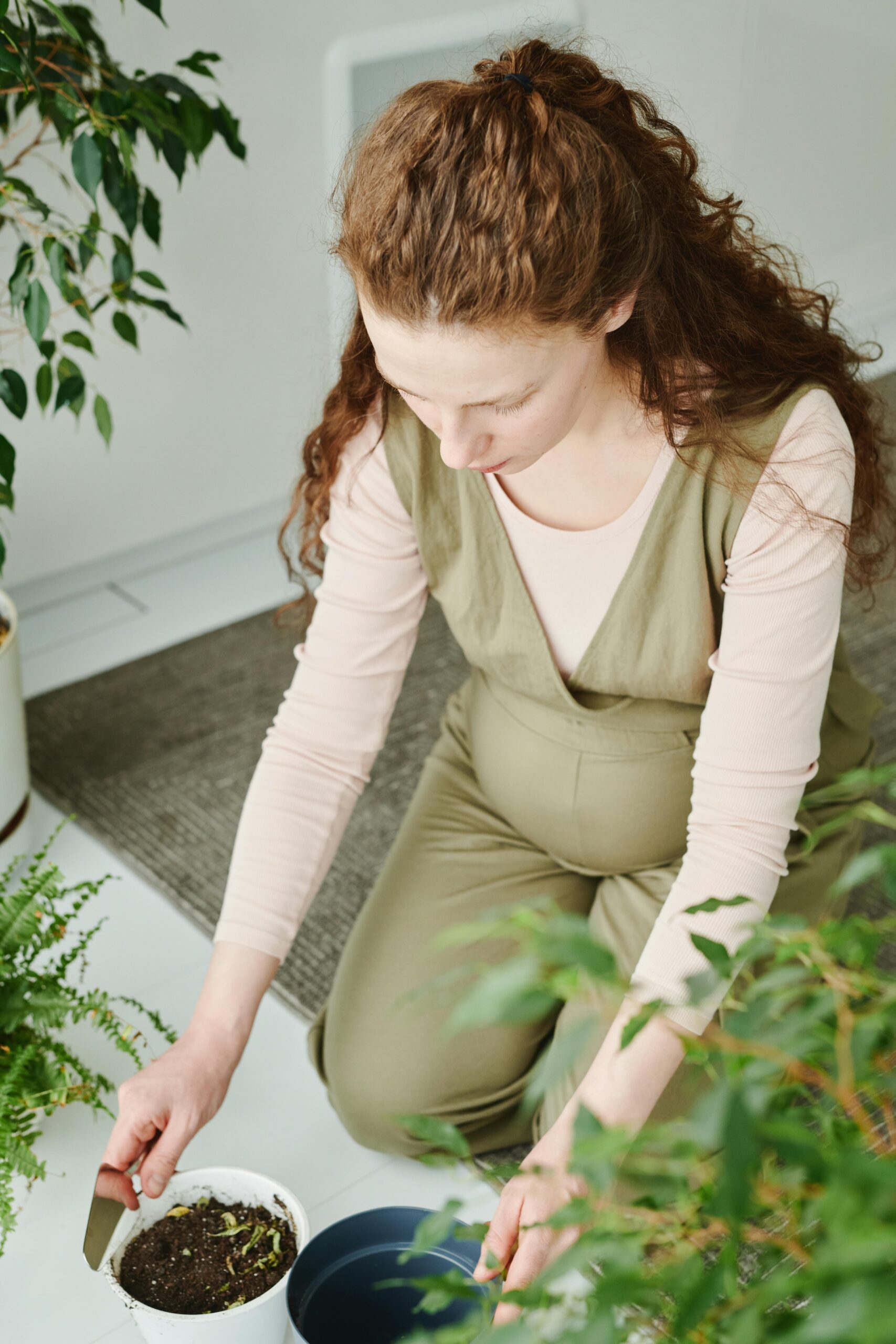
One of the best and healthiest things you can do for yourself and your family is to start an organic garden at home. You can grow fresh, chemical-free fruits, vegetables, and herbs in an organic garden, which also helps you connect more with nature. You can do organic gardening no matter how big or small your outdoor space is, whether it’s a balcony, a backyard, or even just a small room inside. The goal is to grow plants in a way that doesn’t use synthetic fertilisers, pesticides, or genetically modified seeds. You can make a garden that lasts season after season by focussing on the health of the soil, natural nutrients, and eco-friendly practices. Gardening without chemicals is good for your health and the environment because it reduces chemical runoff and encourages biodiversity. This article will show you how to start an organic garden, from picking the right soil to taking care of your plants the natural way.
Choosing the Best Place for Your Organic Garden
Picking the right spot for your plants to grow is the first step in organic gardening. A lot of organic vegetables and herbs need at least six hours of sunlight a day, so it’s important to choose a place that gets a lot of natural light. A balcony, rooftop or sunny window can also work well if you live in an apartment. The area doesn’t have to be big; with the right care, even a few containers can grow a lot of food. Also, your garden space should have good drainage so that water doesn’t pool up and hurt the roots. Knowing where your garden will grow helps you choose the best plants to grow and how to arrange them for the best results. A good location is the first step to having a successful organic garden.
Making organic soil that is healthy and full of nutrients
Every organic garden’s heart is its soil. Chemical gardening uses synthetic fertilisers to do most of the work, but organic gardening depends on healthy soil to feed plants. Rich, loose, and full of helpful microorganisms, organic soil is good. Mixing compost into your soil is the first step in making this. Compost made from vegetable scraps, dried leaves, and other organic waste adds nutrients, makes the soil better, and helps living things in the soil. Worm castings, coconut coir, and old manure are also great things to add. The quality of your soil affects how strong your plants are, whether you are gardening in the ground or in containers. Roots can grow deeper, get more nutrients, and fight off pests on their own in healthy soil. By putting money into soil that is full of nutrients, you make sure that your plants grow strong, tasty, and plentiful.
Picking the Right Plants and Organic Seeds for Your Climate
The seeds you use in organic gardening are very important. Always pick certified organic seeds that haven’t been treated with chemicals or had their genes changed. These seeds are better suited to growing in the wild, and the plants they grow are usually healthier. Before you choose seeds, think about the weather in your area. Vegetables that like warm weather, like tomatoes, cucumbers, and peppers, do best in sunny, hot conditions. Leafy greens, peas, and carrots, on the other hand, like cooler weather. It’s also easy for beginners to grow herbs like basil, mint, rosemary, and coriander. They don’t need much space. If you’re new to gardening, choose plants that are easy to care for and grow. Your organic garden will do well on its own with little effort if you pick plants that are right for your climate and environment.
How to Water and Feed Plants the Natural Way
Natural ways of watering and feeding plants are used in organic gardening. One of the most common mistakes beginners make is watering their plants too much. This is why it’s important to only water them when they need it. The ground should feel a little dry before you water it again. Watering in the morning is best because it lets plants soak up water all day without promoting the growth of fungi. Organic gardens rely on natural fertilisers like compost tea, seaweed extract, and organic liquid fertilisers to feed their plants. These give your plants nutrients slowly and safely, making them stronger without hurting the environment. Using leaves, straw, or wood chips as mulch keeps moisture in the soil, stops weeds from growing, and adds nutrients to the soil as it breaks down. These natural ways of watering and feeding help make an ecosystem that is balanced, where plants grow stronger and healthier.
Keeping Pests and Diseases Away Without Chemicals
One of the main goals of organic gardening is to stay away from chemicals that are bad for you. Fortunately, nature has a lot of good ways to keep pests and diseases under control. A healthy environment where natural pest control happens can be made by encouraging helpful bugs like ladybirds, bees, and earthworms. Planting flowers like marigolds or herbs like mint can keep bad bugs away and keep nearby vegetables safe. Neem oil, garlic water, or soap solutions mixed with water at home are great organic ways to get rid of pests. Crop rotation, which means moving the plants around every season, also stops diseases from spreading through the soil and keeps pests from settling down for good. You can take care of problems in your garden naturally without upsetting the balance of your organic ecosystem by checking on it often and finding problems early.
How to Keep Your Organic Garden Going and Growing Over Time
As you learn more about organic gardening, it gets easier and more fun. Taking care of your garden regularly, like getting rid of dead leaves, checking the soil’s moisture, trimming branches that are too long, and adding compost, keeps it healthy. As time goes on, you’ll figure out which plants do best in your area and how to deal with changes in the seasons. Adding more pots, building raised beds or trying out new vegetables are all easy ways to make your organic garden bigger. You can also make compost at home, cut down on food waste, and start a cycle that keeps your soil healthy. Every season of gardening teaches you something new, and with each lesson, your organic garden becomes more useful and rewarding.
Final Thoughts
Starting an organic garden at home is a journey that will teach you, help you grow, and make you happy. You can grow fresh, chemical-free food right outside your door if you have the right space, healthy soil, organic seeds, and natural ways to care for your plants. An organic garden is good for your body because it gives you healthy food, and it’s also good for your mind because it helps you feel more connected to nature. Organic gardening encourages plants, soil, and the environment to work together instead of using harmful chemicals. If you put in the time and effort to take care of your garden, it will thrive year after year, providing you with a steady supply of food and happiness.
Questions and Answers
Q1: Is it hard for beginners to grow organic plants?
No, organic gardening is easy if you start with easy plants and pay attention to keeping the soil healthy and using natural methods to care for them.
Q2: How long does it take to grow vegetables without chemicals?
Depending on the type of plant and the weather, most vegetables take 30 to 90 days to grow.
Q3: Can I use pots to start an organic garden?
Yes, containers are great for organic gardening, especially in small spaces like balconies or windowsills.
Q4: What is the best natural fertiliser for people who are just starting out?
Compost, worm castings, and compost tea are all great natural fertilisers that are safe for plants.
Q5: What can I do to get rid of pests without using chemicals?
To keep pests away naturally, use neem oil, garlic spray, marigolds, and other plants that work well together. Also, check on your plants regularly.