
Beginning
Making your home more eco-friendly is no longer just a trend; it’s now a responsible choice that is good for your health, your family, and the planet. A healthy home has clean air, safe materials, and daily habits that help the environment instead of hurting it. A lot of people think that making their home more environmentally friendly means spending a lot of money on renovations or high-end products. But the truth is that even small changes, if done regularly, can have a big effect. Every change you make to your home, from getting rid of toxins to picking eco-friendly materials, makes it cleaner and greener. The goal is to make a home that feels safe, calm, and in sync with the rhythms of nature. You can turn your home into an eco-friendly haven with the right help, and it won’t cost or take much work. This article will help you learn the most important things to think about when making your home healthier and better for the environment. It will also show you how small, easy changes can have big effects over time.
Making the indoor air cleaner and greener
Controlling the air inside your home is one of the first things you can do to make it more environmentally friendly. Many homes unknowingly collect toxins from things they use every day, like paints, plastics, harsh cleaning products, synthetic fragrances, or cheap furniture. These materials often let out chemicals that make the air inside worse and cause allergies, headaches, and long-term health problems. A sustainable approach stresses using natural materials and better ventilation to keep the air cleaner and the environment healthier.
To begin, cut down on things that pollute the air inside. For instance, pick paints that say “low-VOC” or “zero-VOC” on the label. These paints let out fewer harmful chemicals. Instead of using fake air fresheners, try using natural ones like beeswax candles or essential oil diffusers. Open the windows for at least ten minutes every day to let fresh air in. This is especially important in kitchens and bathrooms, where steam and smells build up. Even small things like taking off your shoes at the door can keep dirt and other unwanted chemicals from getting into your home.
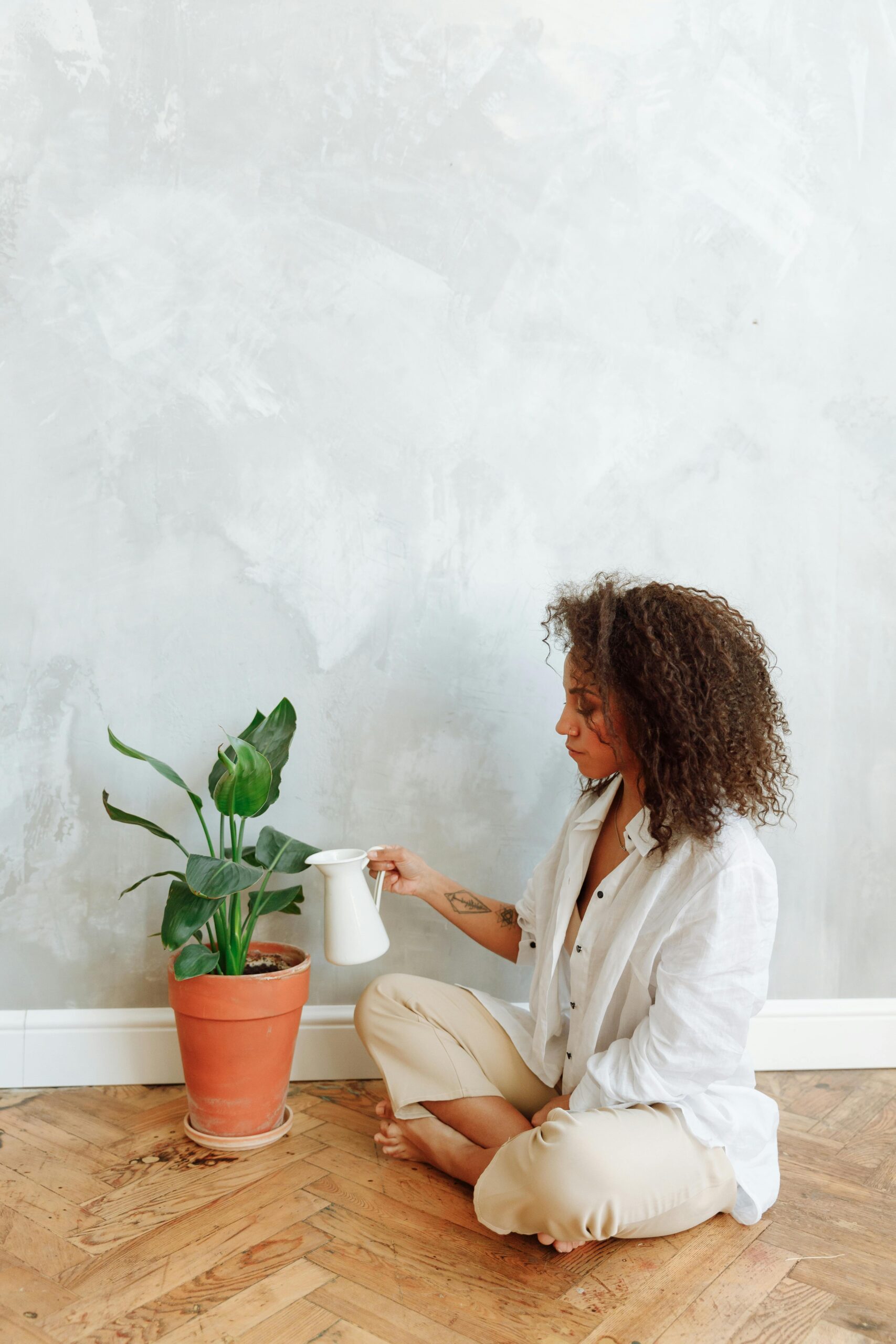
Buying things made from natural or recycled materials is another important way to make the inside of your home more eco-friendly. Pick bedding made of organic cotton, wooden furniture instead of plastic, and things that can be used again instead of things that can be thrown away. These changes help make the environment healthier and cut down on waste. Adding a few natural air purifiers, like spider plants, aloe vera, or peace lilies, can help make the air inside even better. These plants take in toxins and give off fresh oxygen, which makes your home feel cleaner and fresher.
Lighting is also very important for keeping a home that uses less energy. Switching to LED bulbs saves electricity and lasts much longer than regular bulbs. This also helps lower utility bills. Also, keep windows clear, use light-colored curtains, and arrange furniture so that it doesn’t block sunlight to get the most out of natural light. Natural light not only makes you feel better, but it also cuts down on the need for artificial light during the day.
Smart choices and habits that last for a long time
Making your home more eco-friendly isn’t just about the things you do around the house; it’s also about the things you do every day. To live sustainably, you need to be aware of what you bring into your home and how you use things like water, energy, and household goods. One of the best ways to live sustainably is to cut down on waste. For example, using reusable shopping bags, glass food containers, and metal water bottles can help cut down on plastic waste by a lot.
Another good habit is to buy less but better. Instead of cheap things that break easily and end up in landfills, choose things that are strong and last longer. Choose materials that can be recycled, broken down by nature, or made from resources that can be used again. You can be more environmentally friendly even in the kitchen by composting food scraps, cooking more meals at home to cut down on packaging waste, and choosing organic products when you can.
Saving energy is also very important for making your home more eco-friendly. You can make small changes to your daily routine, like turning off lights when you leave a room, unplugging electronics that you don’t use, washing clothes in cold water, and line-drying them when you can. Another way to save money on your monthly bills and use less electricity is to install appliances that use less energy. Every little thing you do makes your home healthier and the world a better place.
Conclusion.
Your cleaning routine can also help the environment in other ways. Use vinegar, baking soda, or lemon instead of chemical cleaning sprays. These ingredients are safe, work well, and are good for the environment. To cut down on chemical runoff, pick dish soaps and detergents that break down naturally. Natural cleaning methods are better for the environment and keep the air inside your home free of harmful fumes that are often found in synthetic cleaners.
Using water wisely is just as important. To save water, fix leaking taps, take shorter showers, and use fixtures that use less water. Water your garden early in the morning or after the sun goes down to keep the water from evaporating and make sure the plants get the most water possible. These small changes in behaviour can help you save valuable natural resources and make the future a place where homes are healthy and the environment is balanced.
Questions and Answers
Q1: What is the simplest way to make my home more environmentally friendly?
Cutting down on plastic use, switching to LED bulbs, and making the air flow better are all easy ways to get started. These small changes don’t cost much but have an immediate positive effect.
Q2: Are eco-friendly cleaning products effective?
Yes, vinegar, baking soda, and lemon are all natural cleaning products that work very well for most household chores and are much safer than chemical cleaners.
Q3: Do plants inside really help clean the air?
Plants like aloe vera, peace lilies, and snake plants can naturally clean the air and get rid of toxins.
Q4: Does it cost a lot to make a home that is good for the environment?
Not always. Many eco-friendly habits, such as using less energy, throwing away less trash, and cleaning with natural products, are cheap and can even save you money in the long run.
Q5: What can I do to get rid of toxins in my home?
Stay away from synthetic scents, pick paints with low VOCs, make sure there is good airflow, and use natural materials for furniture and fabrics.