
Beginning
Cutting down on waste at home is now a key part of living sustainably in the modern world. More and more people are realising how important it is to handle trash responsibly as landfills fill up and pollution rises. At first, living a zero-waste life may seem impossible, but small, regular changes can have a big impact. This guide is for people who are new to the idea of reducing waste in their homes without making big changes. You can save money, help the environment, and live a cleaner, healthier life by changing your habits. The first step to changing habits that will help your home and the planet in the long run is to learn the basics of how to reduce waste.
Knowing what trash you have right now
It’s a good idea to figure out what kinds of trash your home makes the most of before you try to cut down on it. Food scraps, packaging, paper, plastics, and single-use items are some of the things that many homes throw away. If you watch your trash for a day or a week, you’ll get a better idea of where it’s coming from. This knowledge helps you find areas that are easy to improve. If a lot of your trash is food waste, for example, you can work on planning your meals better. If most of the trash in the bin is disposable packaging, switching to reusable containers could cut down on waste by a lot. Keeping track of your trash helps you make smart choices and start with the easiest changes.
Making Little Changes in the Kitchen
Food and packaging are the main sources of household waste, and the kitchen is usually the biggest source. By planning meals ahead of time, you can buy only what you need and keep food from going bad. Properly storing leftovers makes them last longer. Buying fresh fruits and vegetables in bulk or loose form cuts down on plastic packaging. Another good thing to do is to switch from paper towels to cloth towels that can be washed. Even small decisions, like using reusable water bottles instead of disposable ones, can greatly reduce waste over time. These small changes to how you cook and eat every day can quickly lead to big changes.
Changing the way we shop for things around the house
A lot of the things we buy come in packaging that isn’t needed or are made to be used only once. Picking things with little packaging or that can be refilled helps cut down on trash in the house. Instead of buying a lot of small cleaning bottles, think about using concentrated cleaners or refill stations if you can find them. Buying things that last instead of things that can be thrown away saves money over time and cuts down on waste. Whenever you can, bring your own bags when you shop so you don’t have to collect plastic bags at home. When you shop, being more aware of what you buy will help you bring home less waste.
Cutting down on the use of plastic and paper
Plastic and paper are two of the most common things that people throw away. Digital documents and online bills help cut down on the amount of paper that is used. If you need physical copies, you can also use notebooks made from recycled materials. To cut down on plastic, try using long-lasting items instead of single-use ones, like reusable storage bags, stainless steel bottles, or glass food containers. Not using too much plastic packaging, especially around food, is another way to cut down on the amount of trash you make. Every little bit less paper and plastic helps you develop habits that are better for the environment over time.
Using things again and again
You can use many things around the house again instead of throwing them away. Jars from jam or sauces are great for storing things. Instead of throwing away old clothes, you can use them as cleaning cloths. You can use cardboard boxes to keep things organised or to make things. You can save money on new household items and cut down on waste by repurposing things. Creativity is very important when it comes to reusing things. Once you start repurposing, you’ll find that many things in your home can be used in more than one way. One of the easiest and best ways to live a life with less waste is to reuse things.
How to Recycle the Right Way
Recycling is a good way to cut down on waste, but it has to be done right to work. A lot of people put things that can’t be recycled in recycling bins, which makes the whole batch dirty. Knowing what materials your local recycling centre will take helps make sure that the recycling process works as it should. Before recycling, make sure to clean cans, bottles, and other containers. To save space, flatten cardboard boxes. If you need to, separate glass, plastic, and paper. Recycling cuts down on the amount of new raw materials that need to be made when done right. It helps keep the environment cleaner and cuts down on the amount of trash your family makes.
Taking Care of Food Waste the Right Way
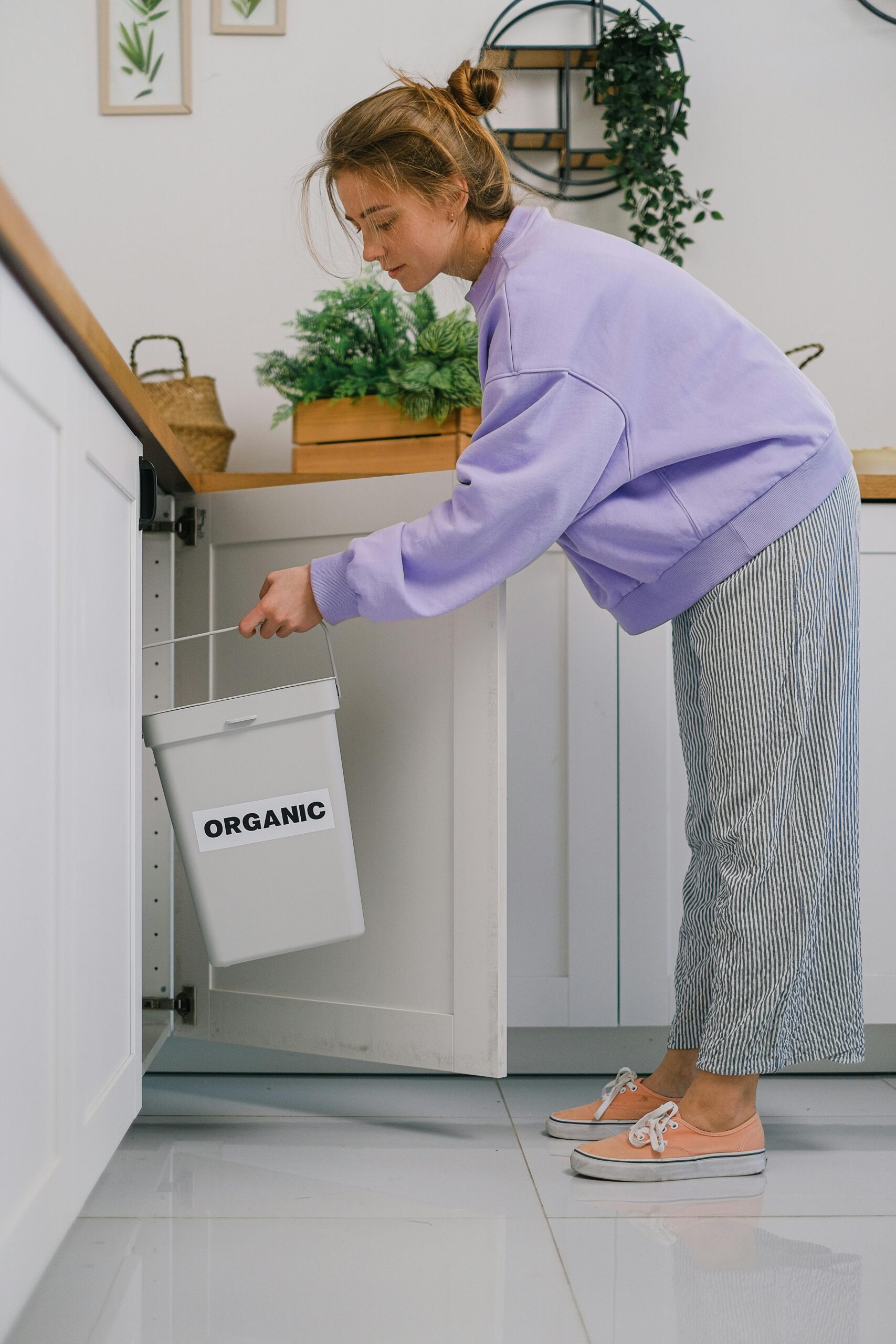
One of the main things that makes up household trash is food waste. If you have room outside or a small compost bin inside, composting is a great option. Composting makes soil that is full of nutrients from food scraps. This soil can be used in gardens or on plants. You can also cut down on food waste by properly storing food and freezing leftovers before they go bad. Another simple habit is to use up all of your produce before buying more. You can cut down on the amount of food you waste each week by paying more attention to how much you buy and eat.
Setting Realistic Goals for Reducing Waste
The best way to cut down on waste is to do it gradually. Setting small, doable goals makes sure that you keep making progress. You could start by using less plastic for a month and then move on to cutting down on food waste the next month. Keeping track of your progress, even if it’s just with notes, will keep you going. Every little success is a step towards a permanent change in your way of life. It is easier and more meaningful to reduce waste when everyone in the house gets involved. These little things add up over time to make your home cleaner, save you money, and help the environment.
Frequently Asked Questions
Q1: What is the simplest way to cut down on waste at home?
A: The easiest way is to start with small habits like using reusable bags, not using single-use plastic items, and planning meals to cut down on food waste.
Q2: Do I have to buy expensive eco-friendly things to cut down on waste?
A: No, many habits that help cut down on waste are either free or save you money. It’s cheap to reuse things, buy less, and use cloth instead of throwaway items.
Q3: What can I do to cut down on food waste in my kitchen?
A: Plan your meals for the week, store leftovers correctly, freeze extra food, and eat fruits and vegetables before you buy more. These easy steps cut down on food waste by a lot.
Q4: Is recycling enough to handle trash at home?
A: Recycling is helpful, but it shouldn’t be the only thing you do. It’s better to reduce and reuse things. These habits make recycling work better.
Q5: How long does it take to see results from trying to cut down on waste?
A: You should see results in a few days, especially when it comes to making less trash. Habits that last a long time take time to form, but even small things you do every day can make a big difference.