
Beginning
Taking care of your household trash in a responsible way is one of the easiest and most effective ways to live a cleaner, healthier, and more sustainable life. Every day, every home makes trash. How you deal with it will determine whether it hurts the environment or becomes a resource. Taking care of your trash properly cuts down on pollution, saves natural resources, lowers the pressure on landfills, and can even help you save money. This easy-to-follow guide gives you useful, realistic tips that you can start using right away to better manage your household waste. You can make your home greener and help the planet a lot by doing just a few things every day.
Learn about the different kinds of trash that come from your home
You need to know what kinds of trash your home makes before you can handle it well. Some common types of trash are organic waste (like food scraps and yard waste), recyclables (like paper, glass, metals, and plastic), hazardous waste (like batteries, chemicals, and electronics), and general trash. It’s easier to sort things correctly when you know what goes in each category. This simple knowledge keeps recyclable or compostable things out of the trash and cuts down on contamination in recycling bins.
First, cut down on waste at the source
The best way to manage waste is to make less of it in the first place. This means picking things that come with less packaging, not using things that are only meant to be used once, and focussing on things that are strong and can be used again. You can also plan your meals to avoid wasting food, only buy what you need, and choose items that come in bulk or refillable packaging. You make the whole process easier by cutting down on waste at the source. This means you have less trash to deal with later.
Use things again and again whenever you can.
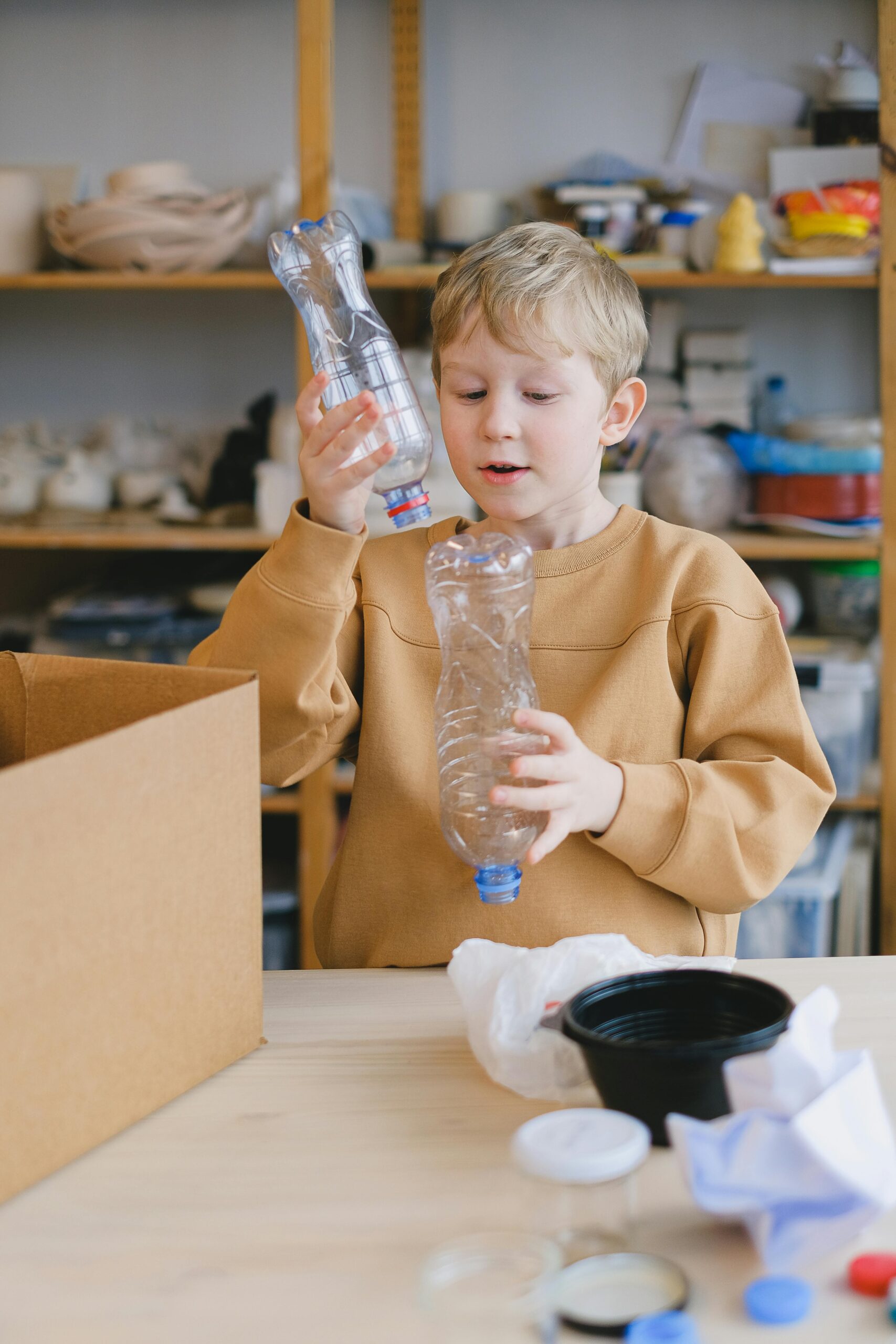
One of the easiest ways to cut down on waste is to use things again instead of throwing them away. You can use a lot of things around the house for new purposes, like jars, bags, old clothes, and containers. You can use empty cardboard boxes to organise things, glass jars to store things, and old T-shirts to clean things. Repurposing makes things last longer, cuts down on the need to buy new things, and keeps materials out of landfills.
Sort your trash the right way to make recycling easier.
For responsible waste management, it’s important to sort your trash properly. Put up bins in your home that are labelled for recyclables, compost, and trash. Before putting recyclables in the recycling bin, make sure they are clean and dry. If they are dirty, they could ruin the recycling process. Find out what your area’s recycling program will take, since rules vary from place to place. When you sort your trash the right way, you make sure that useful things are recycled instead of thrown away.
Get rid of hazardous waste in a safe way
You should never throw things like paints, batteries, old electronics, light bulbs, and chemical cleaners in regular trash cans. If you don’t handle these things correctly, they could leak harmful chemicals into the environment. Find community drop-off centres or collection days that are only for getting rid of hazardous waste. A lot of places also have e-waste recycling programs that safely take apart electronics and use the parts again. Disposing of things the right way is good for your home and the environment.
Begin composting your organic waste
Food scraps and garden waste make up a large part of the trash that people throw away. These things can be easily composted at home. Composting makes soil that is full of nutrients from organic waste that can be used for gardening. It cuts down on methane emissions from landfills and makes it easier to recycle waste. Things like vegetable scraps, coffee grounds, fruit peels, leaves, and grass clippings can all be composted. This habit cuts down on a lot of trash around the house, whether you use a bin, a pile, or a small indoor composter.
Pick products and packaging that are good for the environment.
Choosing products that are recyclable, biodegradable, or compostable is another smart way to cut down on the amount of trash you throw away. Choose items with as little packaging as possible and brands that use recycled materials. Using things that can be used again, like cloth shopping bags, stainless steel water bottles, and metal or bamboo straws, cuts down on the amount of trash your home makes. Long-term benefits for reducing waste come from small changes in how you shop.
In conclusion
Taking care of your household waste doesn’t have to be hard. You can make your home cleaner and more environmentally friendly by learning about the kinds of waste you make, using less, reusing things, recycling correctly, composting, and buying products that are good for the environment. All of these small things add up to make a big difference. They help lower pollution, save resources, and keep the environment safe for future generations. Everyday choices are the first step towards responsible waste management, and the sooner you start, the sooner you’ll see the benefits.
Questions and Answers
Q1: What’s the simplest way to start taking care of your trash at home?
A: Start with small things, like sorting out recyclables, using fewer single-use items, and using household items again. These habits don’t take much work, but they make a big difference.
Q2: What can I do to cut down on waste without spending more money?
A: Focus on reusing things, only buying what you need, choosing packaging that is as small as possible, and not using disposable items. These habits will help you save money in the long run.
Q3: What things should you never put in the regular trash?
A: To keep the environment safe, you should throw away batteries, electronics, chemicals, paint, and light bulbs through hazardous waste programs.
Q4: Is it hard for beginners to compost?
A: No, composting is easy. You can start with scraps from fruits and vegetables, coffee grounds and yard waste. Most homes only need a small compost bin.
Q5: What makes sorting trash so important?
A: Proper sorting keeps recycling from getting contaminated, makes sure that materials are reused correctly, and cuts down on the amount of trash that ends up in landfills.